
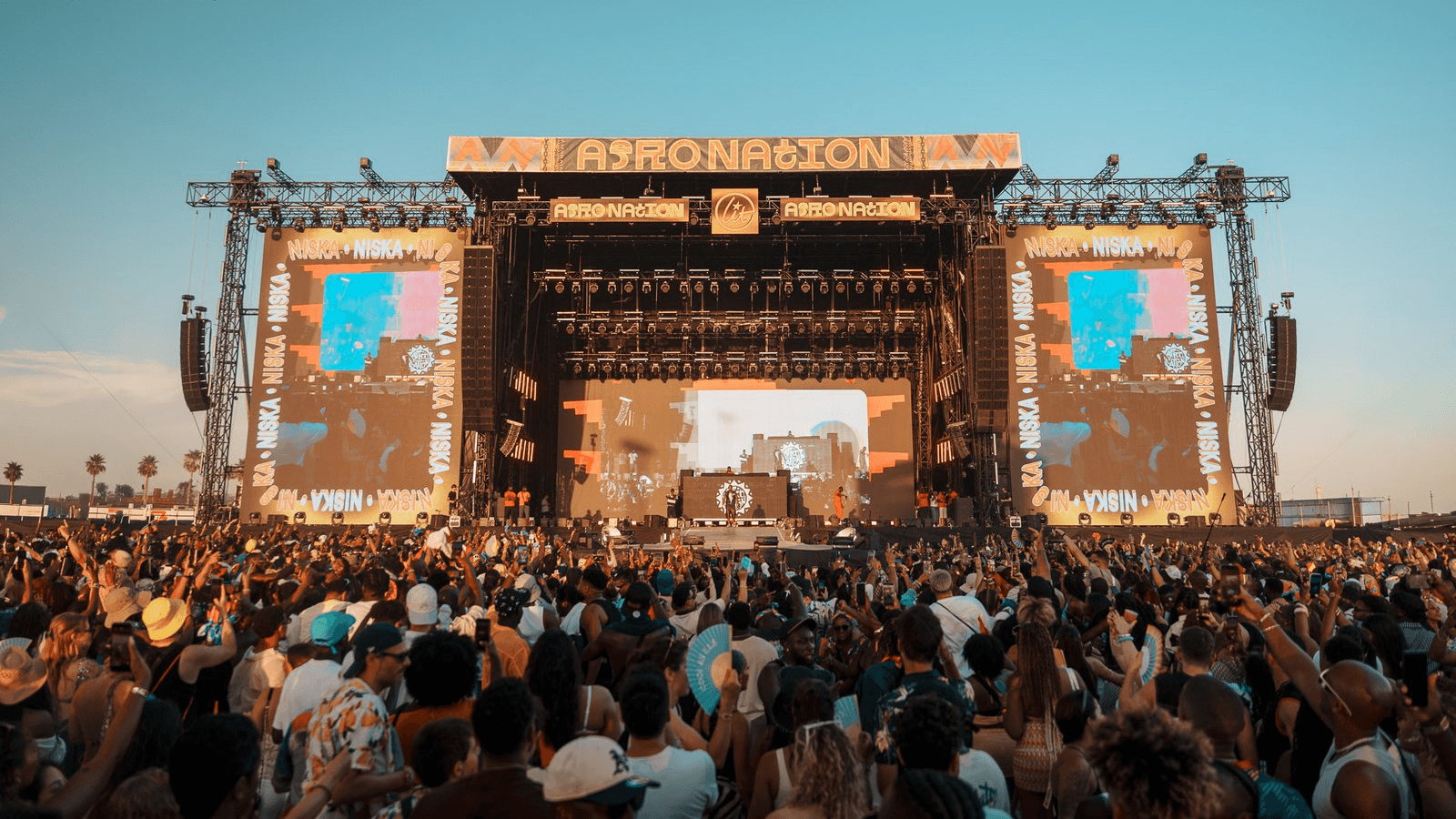
Fans across Africa find new music the same way they find everything else: on their phones. A clip on TikTok, a dance on Instagram Reels, a link dropped in a WhatsApp group. Radio and editorial playlists may not hit as much as your friend forwarding a banger song at eleven at night.
Local tastemakers, DJs, dancers, and creators break records at street level long before a song ever reaches a blog or a playlist. By the time a track "goes global," it has usually already lived several lives inside African group chats.
That is the good news. The bad news is what happens once a fan actually presses play.
The Data Signals Worth Watching
Total stream counts rarely tell the whole story. What actually predicts where a Green Indie catalog is about to take off is behavior, not volume. A few signals matter more than raw numbers:
Listener growth velocity. How fast an audience in a specific country is growing, not just how large it already is.
Engagement depth. Whether fans are saving a song, returning to it, and buying it again, rather than streaming it once and moving on.
** User-generated content activity**. How often a track shows up in short clips, dance videos, and reposts, since that usually shows up before a sales spike does, not after.
** Cross-platform lift**. Growth that starts on TikTok, YouTube, or Instagram and then carries over into purchases is a much stronger signal than passive listening ever is.
Diaspora overlap. Traction in the United Kingdom, the United States, France, or Canada often points to where an artist's next market, and next wave of direct buyers, is forming.
An artist watching these numbers inside Green Indie's own dashboard is not guessing where to push next. They are following a trail that shows up in behavior weeks before it shows up in headlines.

How to Actually Expand Your Audience in Africa
Growth across the continent rarely happens all at once, and trying to chase every market at the same time usually means stretching thin and gaining nowhere. A more useful approach is to treat expansion as a sequence, not a single push.
Start with one market. If listeners from Nigeria or South Africa are already showing up in the analytics, that is the signal to focus there first, rather than spreading a release across a dozen countries at once. On Green Indie, that focus can turn into a direct sale immediately, instead of waiting to see if the attention holds.
Follow where the genre already travels. Certain sounds move more easily into certain regions because the scene and the audience already exist there. Watching where similar artists gain traction on YouTube or Audiomack is a fast way to see which market is likely to respond next.
Show up where fans already are. If a track is getting more traction on YouTube than on paid streaming, that is where the attention deserves to go, and it is also where a Green Indie link belongs, so that attention has somewhere to convert.
Use collaborations to open doors. Trust and local validation matter enormously in African music discovery. A feature with a local artist, an appearance in a creator's video, or inclusion in a DJ set that already reaches a market can introduce an artist far faster than paid promotion.
Give it time. Discovery spreads through social sharing and community networks, so consistency beats speed. Releasing regularly and continuing to show up in the same market is what turns a one time listen into a fan who buys the next release too.
Localize with care, not perfection. Simple things carry weight: a local hashtag, subtitles on a video, or a direct shoutout to a city or region that is already showing support. Fans respond to artists who observe and participate, not to artists trying to appear perfectly local overnight.
None of this requires a marketing budget most independent artists do not have. It requires attention, patience, and a place to convert that attention the moment a fan is ready to buy, which is exactly what a Green Indie profile is built to do.
The Sound Travels First. The Money Should Too.
Afrobeats, Amapiano, Afrohouse, and local hip hop fusions do not arrive on global charts fully formed. They spend months or years building scenes set in Africa before the rest of the world catches on. That is exactly the stage where an artist has the least cash flow and the least leverage.
Green Indie exists for that stage. Sell directly to the community that is already there, at the price the artist sets, before a label or distributor decides the song is "ready" for the world.

Streaming Works. Revenue Does Not Keep Up.
Most listening across the continent happens on free or ad-supported tiers. Data is expensive, so offline downloads matter more than they do in markets with unlimited plans. Everything is built for the phone, on the go, in short bursts.
The result: an artist's listener count can climb for months while their bank balance barely moves. That is not a sign fans do not care. It is a sign the payout system was never built for how Africa actually listens. Ad revenue splits trickle through a distributor, sometimes a label, sometimes a collecting society, and land three to six months later, if at all.
For an artist trying to eat, pay a producer, or shoot a video, a growing stream count that pays nothing today is not a win. It is a trap.
The Fix Is Not a Better Stream. It Is a Direct Sale.
This is the gap Green Indie (www.greenindie.com) was built to close.
Green Indie is Africa's first Direct-to-Fan music platform: no label, no distributor, no middleman standing between an artist and the fan who wants to pay them. An artist sets their own price for a single, an EP, an album, or a bundle. A fan checks out with Stripe, Apple Pay, Opay, Palmpay, MTN MoMo, bank transfer, or card. The money lands the moment the sale clears, not next quarter.
That single change flips the entire economics of the "streams outpace revenue" problem. Streaming does not need to get fixed for an artist to get paid. A second channel just needs to exist, one where every naira a fan pays reaches the artist. Right now, over ten thousand artists are selling this way, to more than twenty thousand fans, off the back of over a million daily streams feeding the discovery pipeline.
Grassroots Virality, Converted in Real Time
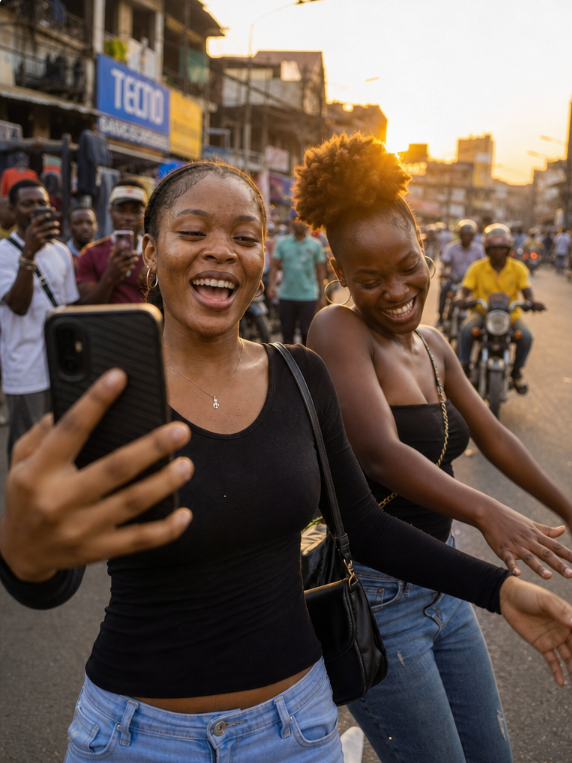
The same DJs, dancers, and WhatsApp groups that build momentum for a song can now convert that momentum into a sale on the spot. A fan who is already singing along at a show does not need to wait for a royalty statement. They can scan a code and own the track before they leave the venue.
That is not theoretical. At a recent Lagos show, a QR code on stage turned a crowd that was already singing along into buyers in real time. No distributor, no delay, no three-month wait to see if the moment mattered.
What Comes After the First Sale
Direct sales are the entry point, not the ceiling. Green Indie is building toward the same monetization paths that matter once an artist has real traction: live shows, brand deals, sync placements, and cross-border reach.
Publishing and Royalty Administration. Automatic ISRC, UPC/EAN, and MCSN registration on every upload, plus international PRO registration (ASCAP, PRS, SOCAN) for diaspora markets, and royalty recovery audits that check what is owed against what has actually been paid.
Sync Licensing. Pitching music directly for film, TV, games, streaming platforms, and brand campaigns, with fees ranging from ₦250,000 to ₦7.5M+, and the artist approving every deal.
Indie Star Search. A talent competition offering ₦2M to ₦3M in cash prizes, doubling as a direct funnel for the next breakout artist.
None of this asks an artist to abandon streaming. It simply refuses to let streaming be the only rail money can travel on.
Bottom Line
The path from a viral clip to a global hit runs straight through Africa's own fans first. The only real question is whether that attention converts into money on a timeline an artist can survive, or one that makes them wait.
For artists: the audience is already there. Green Indie is where you sell to them without waiting for anyone's permission.
For fans: every naira you spend on Green Indie goes to the artist, not a distributor, which is the fastest way to keep these scenes alive.
Green Indie is Africa's first Direct-to-Fan music platform. www.greenindie.com