
Industry
.jpg&w=3840&q=75) Industry
IndustryMusic Publishing Deals Explained
Green Indie — Africa's direct-to-fan music platform. Administrative publishing at 15% of royalties recovered. You keep your songs.
 Industry
Green Indie's sneak look into Africa's Music Economy
Nigeria runs on Afrobeats, Highlife, and Fuji. South Africa lives inside Amapiano, house, and gqom. Ghana moves to Highlife and Hiplife. Kenya's youth culture drives Genge and Gengetone. Maghrebi music blends indigenous Amazigh (Berber), Rai, Chaabi, Gnawa, Arab-Andalusian, and Mediterranean influences into distinct regional genres. Every one of these scenes has its own sound, its own audience, and its own rhythm of discovery.
 Industry
Green Indie Music Marketing Playbook for Africa's Next Breakout Artist
Promoting your own music as an independent artist means you are the one in the driver's seat. Nobody is coming to build your audience for you. There's no label sending a car to pick up curators, no marketing department running your campaign while you sleep. It's a hustle, and that hustle is on you, personally, every single day after that song goes live. A great song is not enough. It has never been enough. Lasting success is built on relentless, personal follow-through, not on a good take in the studio.
 Industry
Afrobeats Becoming the Sound of Global Brands
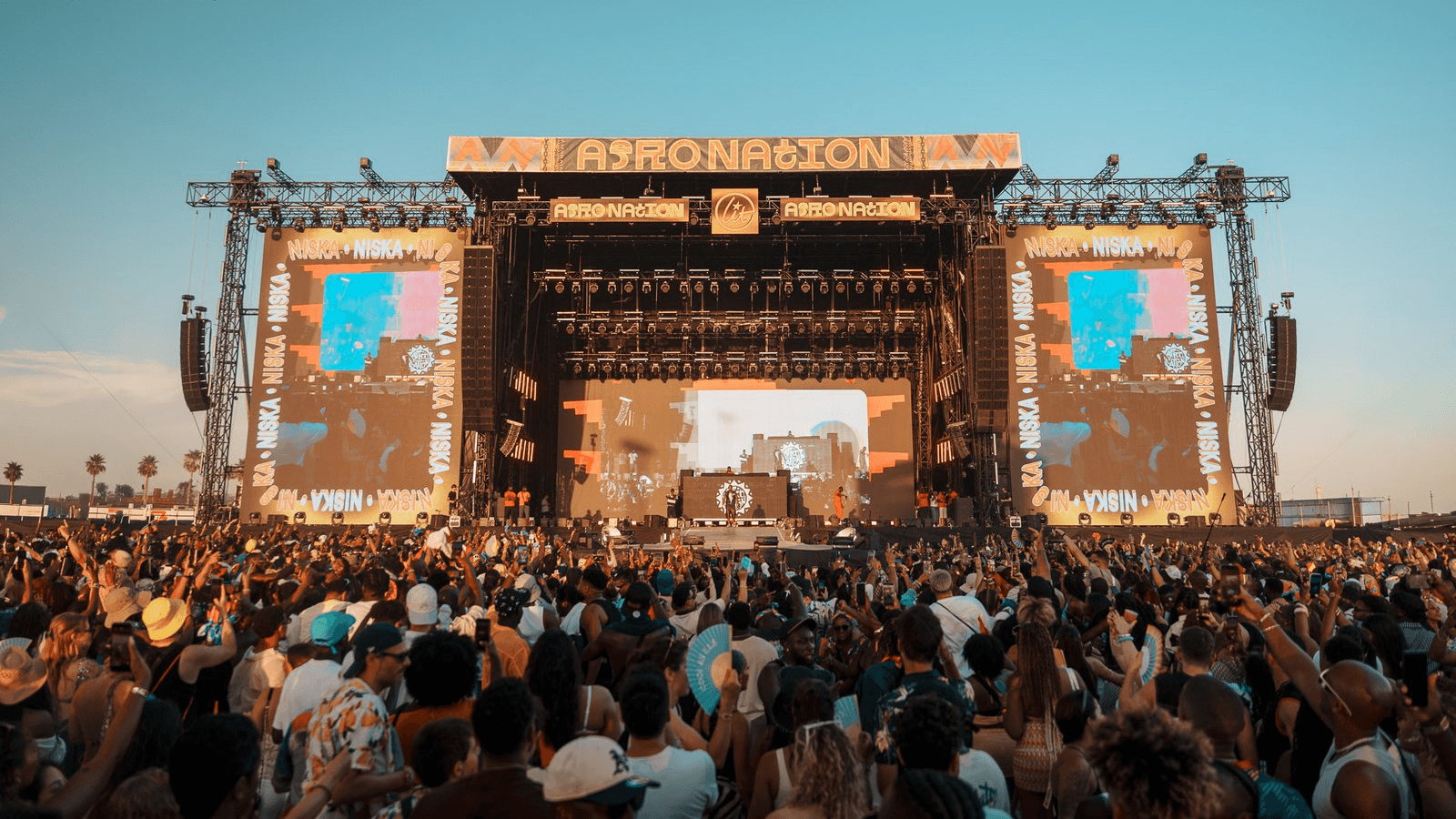
Afrobeat celebrates African creativity and culture; it resonates universally. Its appeal is amplified through platforms like GREEN INDIE, which brings Afrobeat to audiences worldwide through experiences that blend culture, music, and high-energy performances.
 Industry
Green Indie musings: The Music Is Ours. The Money Should Be Too
Direct-to-fan is not a mood. It is arithmetic. On Green Indie — Africa's first direct-to-fan platform, now over 10,000 artists strong — you set your catalogue on your own storefront, the fan pays you, you keep 90%, and the money lands the moment the fan checks out, not three to six months later. And the part that changes everything: your diaspora fans can now buy in real time with Apple Pay and Samsung Pay — one thumbprint, one face scan, money in your account in Lagos before the song finishes playing in Peckham.
 Industry
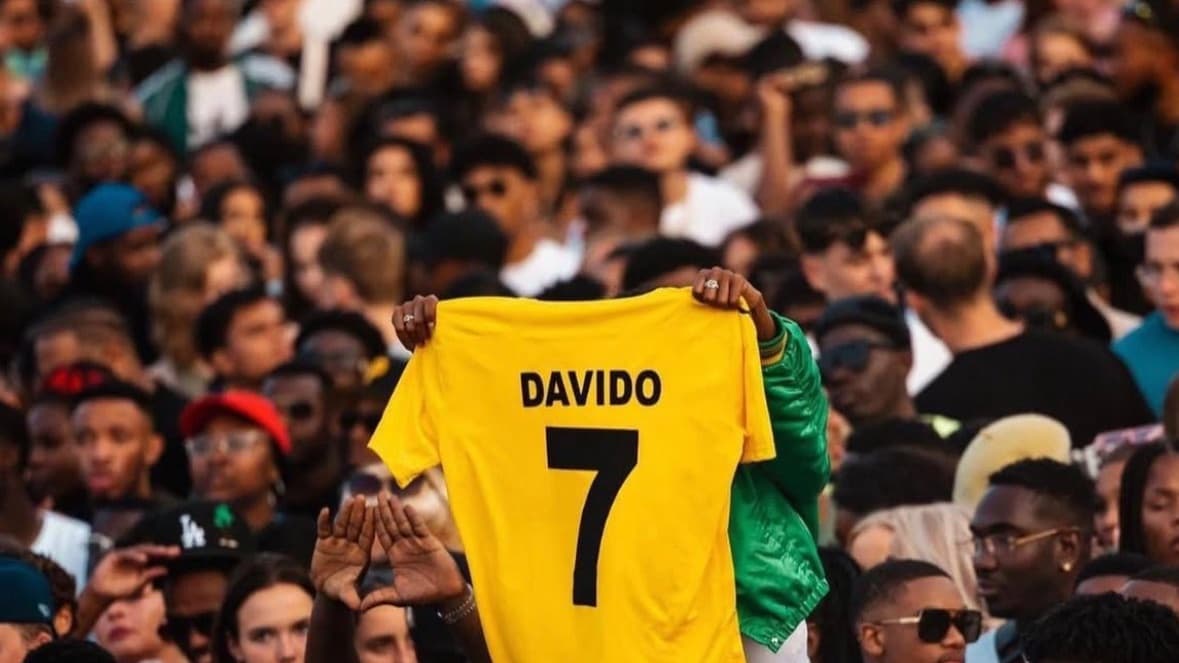
The Truth About "Lyrical Decline" We Forgot Afrobeats Was Always a Vibe First.
Afrobeats was built rhythm-first, not lyrics-first — judging it by hip-hop's bar-for-bar standard is a category error, not proof of decline.