
The Next Chapter Is Homegrown: Green Indie in the light of Afrobeat's crowning
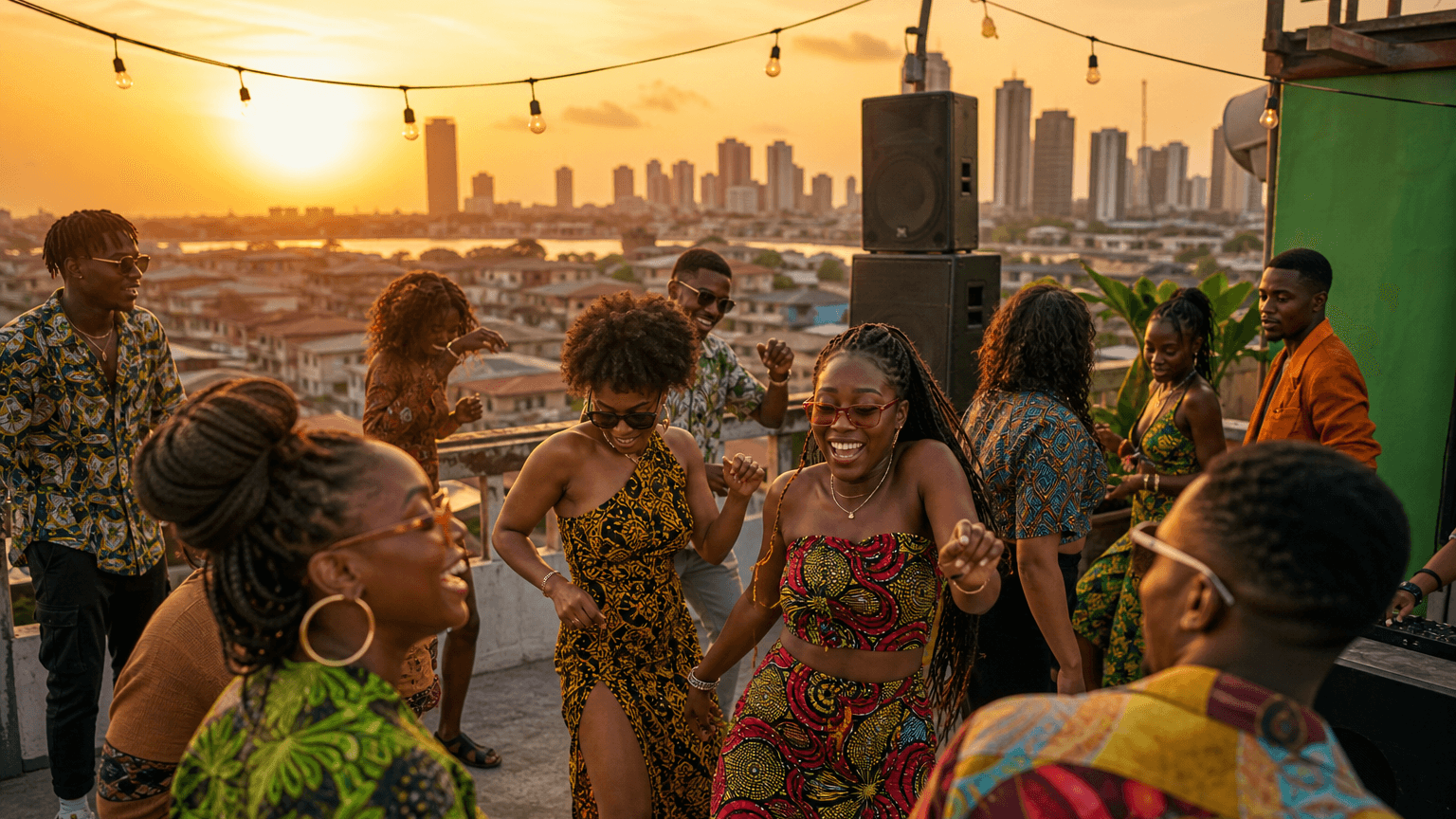
Abeg, sit down small. Something has happened that all of us have seen with our own eyes: Afrobeats is no longer a "trend." It has become the soundtrack. From beach parties in Puerto Rico to five-star Japanese restaurants in Dubai, our sound plays in the background, and nobody asks where it came from, because everybody already knows.
But here is the real gist. When a sound travels this far, the question changes. It is no longer "Will the world listen?" It is "Who gets to shape what the world hears next?" That is the question Green Indie exists to answer, and by the end of this read, you will understand why we believe the answer has to start at home.
The Amapiano Log Drum Is Knocking
If 2020 was the introduction, 2026 is the total takeover. That is the moment for Amapiano, the South African sound that left Johannesburg's underground clubs and landed on major festival stages, Coachella included.
Everything comes down to the log drum. That deep, woody thud has become a secret weapon for producers everywhere. You hear it in K-Pop, you hear it in UK Drill, and it has crept into the background of every third video on your feed. It is not frantic dancing. It is a hypnotic, soulful bounce, the kind that enters your shoulders before your brain even agrees.
Take note of what that means. Sounds from Africa no longer wait for permission. Lagos, Joburg, Accra and Nairobi are swapping ideas faster than any label can schedule a meeting.
Lagos to San Juan, With Love
Then there is the Afro Latino connection. Afrobeats and Reggaeton are cousins, and everyone at the family reunion has noticed. Musically, they share the same bounce. Emotionally, they hit the same spot. Look at Wizkid and Rauw Alejandro trading verses in pidgin and Spanish as proof that you do not need a translation to understand a groove. Vibes translate, not grammar.
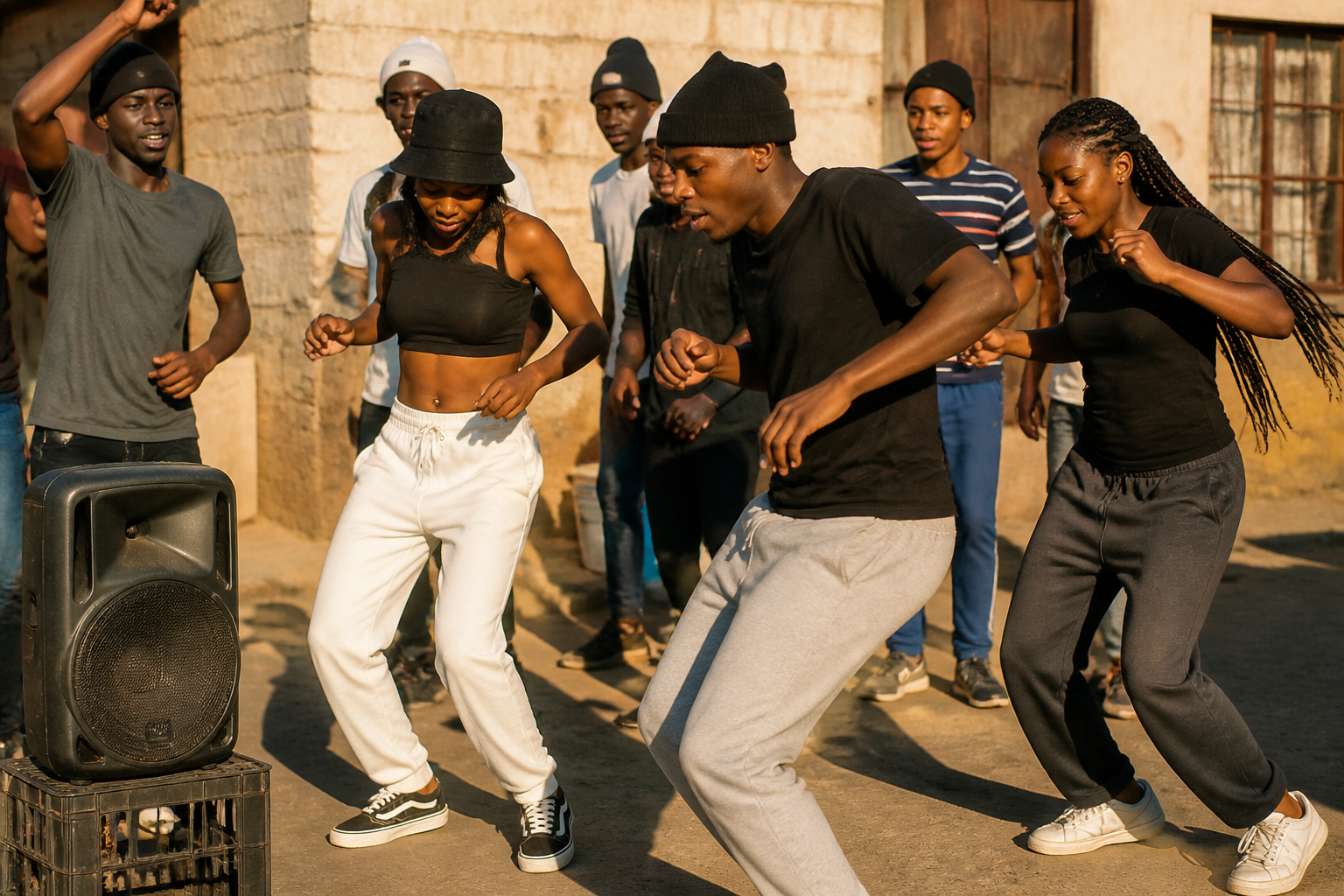
Next comes AfroTronica, the newest child in the compound. This is where the organic drums of the continent meet the glitchy, high-octane world of electronic dance music. Some call it African Futurism you can dance to. It is moody and stripped back, and DJs tired of the standard four-to-the-floor house beat are running with it. It sounds like music made in the year 3000.
And the emergent faces of the sound, carrying the torch for the next generation? This must-listen list is solid:
Ayra Starr is the blueprint for mixing high fashion with high-energy pop, the reigning queen of "Asebaje."
Asake made Fuji-infused pop music cool, we went global with massive choirs and frantic violins.
Tyla proved she is no one-hit wonder, blending R&B vocals with South African grit.
Victony brings the experimental, melodic side for when you want something different.
Mavo with his rave-inducing mumblings and FOLA with transcendent fusion of folk poetry and effortless, indigent control of the Yoruba language
DYSTINCT’s signature sound bridges modern pop-rap with club beats and traditional Chaabi (festive Moroccan folk melodies) and subtle Gnawa influences
Gyakie's superpower is Afrofusion with soulful pop in a way that just bursts your brain
How the Middle East Fell in Love
Now for the part that surprises many people. Afrobeats has built a serious following across the Gulf. In some cities, it is normal to dine at a five-star Japanese restaurant while a Phyno or Mr Eazi playlist flows from the speakers. Different dish, different continent, same groove.
Why does it work? Virgin Radio Dubai presenter Sheena Kay credits diversity. The UAE has more than eight million expats, around 88 per cent of the population, and many of their home sounds already share a heartbeat with Afrobeats: Egyptian music, Indian Bhangra, North African Rai, Khaleeji beats. British expats also bring their love for the genre from the UK charts. Add roughly 20,000 Nigerian residents and over 100,000 Nigerian visitors a year (pre-COVID figures, and before an informal travel limitation), and you can see the audience was already warming up.

But diversity is only half the story. The other half is DJs. Kay recalls DJs like Dany Neville and Rone Jaxx dropping Wizkid's "Ojuelegba" in clubs, and strangers who had never heard the song rushing the dancefloor. A week later, the same people were singing every word, even without understanding them. That is the power of the selector.
Then there is the diaspora. DJ Tumi, an Omani DJ who identifies as Black Arab, says Afrobeats culture in the UAE was grown by Africans who were born there or relocated for work. She describes questioning her African side while growing up, and how watching African culture finally celebrated made her love herself more. It is music and identity, together.
Streaming and TikTok finished the job. Mark Abou Jaoude, who spent nearly ten years as content lead for Anghami and Deezer, says streaming platforms help Afrobeats travel through dedicated playlists and personalised recommendations. ElGrandeToto's remix of CKay's "Love Nwantiti" even sparked a TikTok challenge that passed 300 million views.
Wahala in the Pot
Let us be honest. When the food is sweet, many gather around the pot, and not all of them can cook.
Put plainly: Afrobeats keeps its improvisational core, a blend of jazz, funk, highlife and traditional African rhythms, but the internet now has a habit of watering genres down. Somebody has remixed it badly online. There is real talk about the gentrification of the sound. And remember that producers like Brian Eno and bands like Talking Heads cited these polyrhythms back in the 80s. The influence is not new. The credit is the problem.
Omah Lay put the worry on record: Afrobeats is not in "safe hands," he says, as its direction converges with hip hop and top artists chase mass appeal over authenticity. That frames the dilemma well. African artists want to export their music, but they must also resist appropriation. Global reach without losing integrity is a hard balance. And remember where this came from. Fela Kuti, the Nigerian musician and political activist, used music as a weapon for resistance, education, and liberation. The sound carries politics and Pan-Africanism in its bones. When it becomes only background music for brunch, something goes missing.
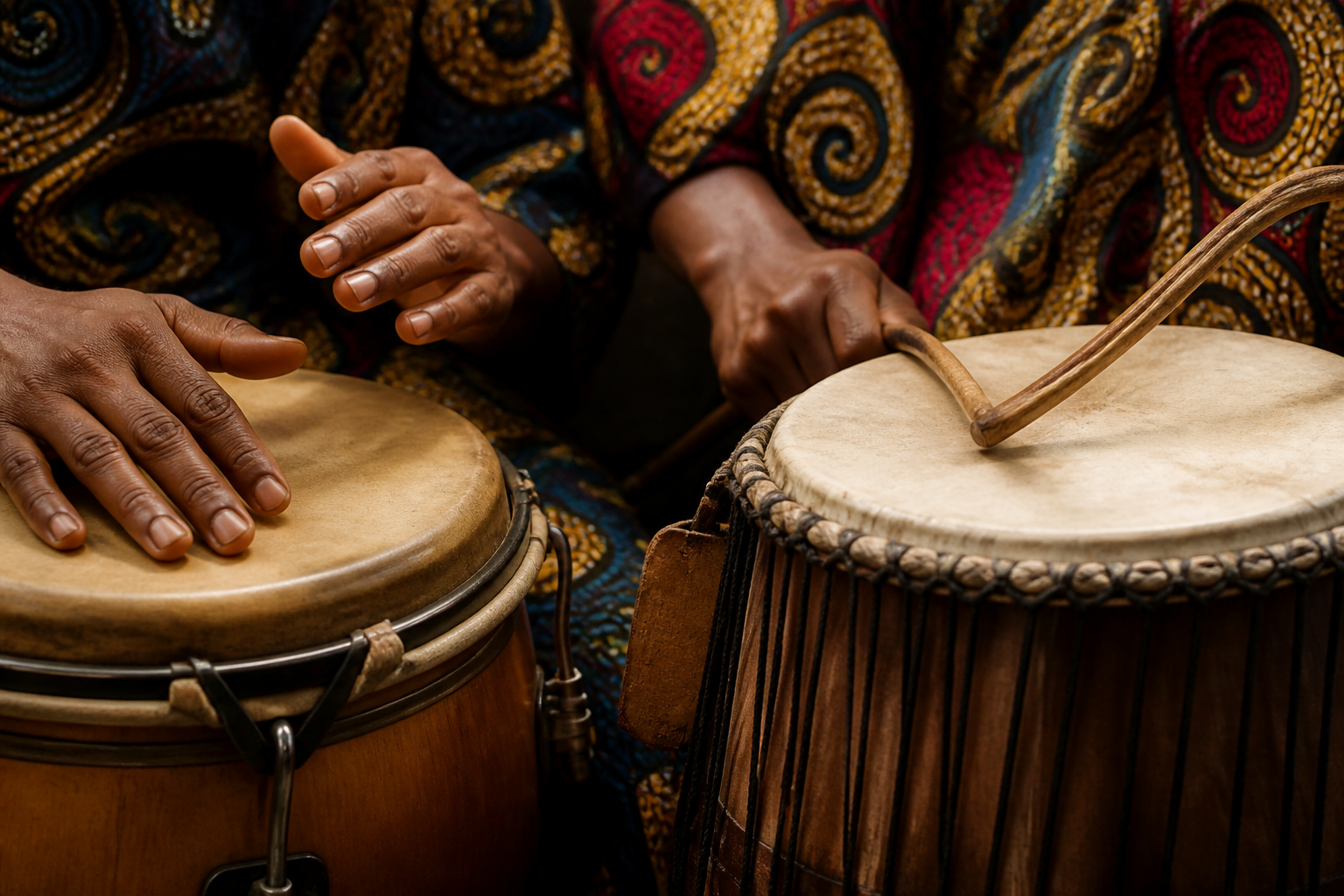
But the answer is not to build a wall. The answer is to build infrastructure. The real problem is not that foreigners love the music. It is that, for too long, the money, the data and the decisions have sat far from the people who make it.
Where Green Indie Comes In
Here the road turns. If Lagos built the engine, and the Gulf, Latin America and the West have picked up the steering wheel, who keeps the roots watered?
This is where Green Indie stands. We are Africa's first direct-to-fan music platform: no label deal, no middleman, no long wait—just artists and fans, engaging directly. Think of us as the homegrown alternative for the next phase of this evolution, built so that growth does not cost identity.
What does that look like on the ground?
Artists sell direct. Singles, EPs, albums and bundles, at your own price. You are paid the moment a fan pays, with no 3 to 6 month wait and no percentage of your masters.
Fans buy directly, paying through OPay, Palmpay, bank transfer, or card. International patrons can support artistes directly through Apple Pay. What you pay goes to the artist, not to a distributor. Buy a song, EP or album, and it is yours for life, with no algorithm standing between you and the artists you love.
Pre-release access. Fans can hear tracks before they hit streaming, and follow artists directly for new drops.
The scale is showing. Green Indie reports 10,000+ artists, 20,000+ fans, 15,000+ tracks and 1M+ daily streams, across Afrobeats, Amapiano, Alté, Highlife, Hip Hop, R&B, Gospel, Afro Fusion, Dancehall, Fuji, Afro Pop, Trap, Reggae and Soul. The whole family is here, not just one side.
Compare that with the old route. Remember the DJs who carried "Ojuelegba" across Dubai dancefloors? Green Indie wants that kind of tastemaker power available to every upcoming artist, with fans on the other side of the screen who can pay them directly, the same day. Remember Omah Lay's worry about authenticity? When the artist owns the sale, the price and the relationship, nobody can force them to sound like last year's hit.
The Next Phase Is Bigger Than Streams
Streaming gave Afrobeats reach. Nobody denies that. But reach without ownership is like a big shop with no key. Green Indie is trying to hand artists the key.
Indie Star Search gives artists a shot at ₦2M to ₦4M in cash prizes, and fans can earn their way to a ticket through referrals and tasks. Proper community energy: when you win, we all win.
More is coming. On the roadmap are two things independent artists across the continent badly need:
Publishing and royalty administration. Automatic ISRC, UPC/EAC and MCSN registration on every upload, international PRO registration for diaspora markets such as ASCAP, PRS and SOCAN, and royalty recovery that audits what you are owed against what you have received. Too many artists are leaving money on the table without knowing it.
Sync licensing. Pitch your music for films, TV, games, streaming platforms and ads, with sync fees from ₦250,000 to ₦7.5M+, and you approve every deal yourself.
Both are on a waitlist for now, so if you are an artist, join early.
Your First Week on Green Indie
Talk is sweet, but action pays. Here is a simple way to start, whether you make the music or love it.
If you are an artist:
Create your account on the app or on the web, then upload your tracks.
Set your own price for singles, EPs, albums or bundles.
Share your page with the fans who already show up for you, and let them pay in naira.
Enter Indie Star Search and join the waitlist for publishing and sync licensing.
If you are a fan:
Stream free tracks and follow the artists you like.
Buy what you love, so the money goes straight to the creator.
Refer friends and complete tasks to earn your way toward a ticket to Indie Star Search.
Nothing complicated. Small steps, repeated by thousands of people, is how a movement gets built.
Four Lessons to Carry Home
Look at everything above, from the log drum to the Dubai dance floor, and the story points the same way:
Curation drives culture. DJs, playlists and tastemakers carried the sound to Dubai. If outsiders alone curate, outsiders alone will define. Green Indie wants to put curation back in the hands of people who live the music.
Fusion needs a source. AfroTronica, Afro Latino and amapiano remixes all work because the African base is real. Green Indie can be the home base where a young producer tries something new without first begging for permission.
Authenticity is not nostalgia. Omah Lay's warning is not a call to freeze the sound. It is a call to own the direction. Independent artists are best placed to do that.
The diaspora is a country of its own. From Dubai to London, Africans abroad built the audience before the algorithm noticed. Green Indie connects them directly to homegrown talent, and the publishing tools help that money cross borders properly.
The challenge is simple: listen consciously, promote cultural education, and push back against commercialisation that strips identity. We heard it, and we chose to build for it, not just clap for it.
The Remix That Matters
Here is the truth in one line: Afrobeats has already won the world. The next battle is over what it becomes. It can turn into a flat, polished export that sounds the same on every playlist, or it can keep growing wild, local and fresh, with the whole world dancing along.
Green Indie is betting on the second. If you are an artist, producer, DJ or simply someone who loves good music, come join the train. Download the app on Google Play or the App Store, or use it on the web at greenindie.com. Drop the beat, keep the roots, and move the sound forward.
Naija no dey carry last, and this one will not be different.